History
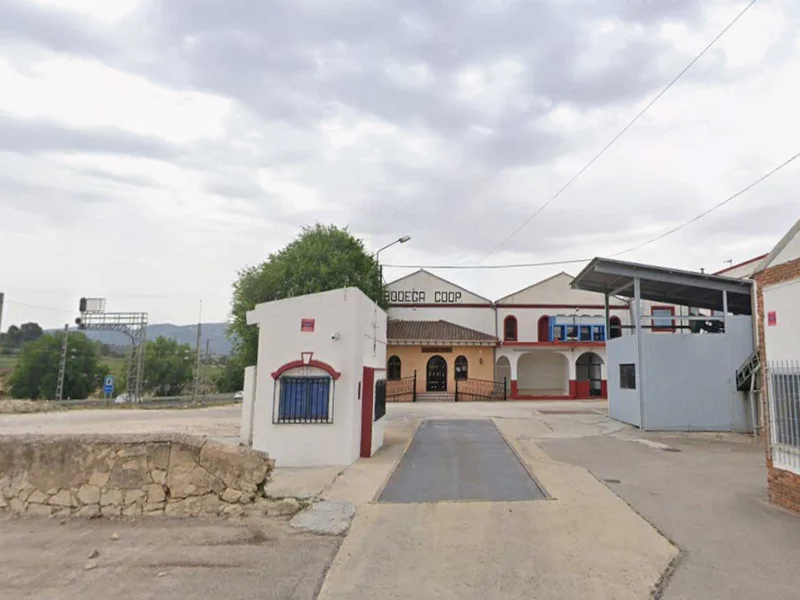
Bodega San Blas in Sax, Alicante, was founded in 1928, as a result of the union of winemakers seeking to strengthen their production. This cooperative effort dates back to a farmers' union formed in the late 19th century, reflecting the rich winemaking tradition of the region.
In the 1950s, the winery settled in its current facilities, consolidating its role in the community. Later, in the 1970s, the oil mill became part of this cooperative, diversifying its offerings and bringing a new approach to local production.
The DOP Alicante surrounds the winery, providing a perfect context for viticulture. Here, the renowned Monastrell grape variety stands out as the emblem of red wines, while the region is also known for its Moscatel de Alicante, both in white versions and as sweet wines.
This combination of conditions makes Bodega San Blas not only a pillar of local history but also a reflection of the evolution of wine in the province of Alicante. The viticultural landscape of Alicante, ranging from the interior with its dry-farmed vineyards to the coastal areas of Marina Alta, contributes to the uniqueness of the wines of the DOP.
The winery is part of this beautiful environment, where the winemaking tradition is evident in every corner, from the fields of Monastrell to the gentle Mediterranean landscapes surrounding Sax.
Philosophy
Bodega San Blas produces its wines under the premise of cooperation and tradition, seeking to reflect in each bottle the taste of the land and the collective effort of its winemakers. In its winemaking process, priority is given to indigenous varieties, primarily highlighting the red wine, which captures the essence of the region's climate and soil.
This winery keeps alive the traditional techniques that have characterized viticulture in the area, thus offering a wine that is not only a product of the land but also a testament to the stories and knowledge handed down from generation to generation.
The vineyard
The vineyard surrounding Bodega San Blas is located in a privileged area, where the Mediterranean climate and the geographical features of Vinalopó create an ideal environment for grape cultivation. This viticultural landscape is characterized by its gentle hills and fertile soils, shaped over the years by the work of local winemakers.
The vineyards, many of them dry-farmed, enjoy conditions that favor the development of emblematic varieties such as Monastrell. The combination of viticultural tradition with the region's unique microclimate gives rise to wines with a distinctive personality, reflecting the richness and diversity of the natural environment.