Fondillón
Some wines are drunk; others are revered. Fondillón belongs to the second kind. It is the great historic wine of Alicante: a deep, complex rancio red made from Monastrell grapes left to overripen on the vine and patiently aged for many years. It was the wine of kings and writers, it came close to vanishing, and today it is one of the most singular jewels of Spanish winemaking heritage.
Made exclusively in the province of Alicante, Fondillón reaches its strength naturally, without a single added drop of alcohol. In every glass there are five centuries of history, the sun of the Vinalopó valley and the silence of cellars where time works slowly.
What exactly is Fondillón?
Fondillón is a premium fortified-style wine of extraordinary character, made solely from Monastrell left to overripen on the vine until it partially raisins. That concentration of sugar in the grape means that, once fermented, the wine reaches a high strength, around 16 degrees, using only the alcohol it generates naturally, with nothing added. This is what sets it apart from wines such as Sherry or Port, which are fortified with wine spirit.
After fermentation comes its most singular trait: a long oxidative ageing of at least ten years, almost always in the traditional criaderas y soleras system. The result is a deep, amber wine, dry or slightly sweet, of astonishing aromatic complexity and an almost limitless keeping potential: some fondillones rest in barrel for decades.
Its name seems to come from the bottom of the barrel, the fondellol, often the famous Monóvar barrel, in the town at the historic heart of its production in the Vinalopó valley.
Podcast
Listen to the podcast
Fondillón
Fondillón is recognised by the European Union as one of the continent's great luxury wines, in a select group alongside Champagne, Sherry, Port, Cava and Tokaji.
It is the only one of them made exclusively in the province of Alicante.
The wine that conquered Europe
Fondillón's fame goes back more than five hundred years. As early as the 16th and 17th centuries, the Monastrell wines of Alicante sailed from the city's port across Europe and became favourites of courts and monarchies. The dry climate, the long summers and a unique grape made these wines a coveted luxury in London, Paris and the northern capitals.
For generations, the Alicante wine trade shaped the prosperity of whole inland districts. Fondillón was the noblest of all: the wine kept for great occasions, given to kings, and left to age in family cellars awaiting its moment.
Phylloxera, wars and the changing tastes of the 20th century nearly wiped it off the map. It was reduced to a handful of wineries that, almost out of devotion, kept their century-old soleras alive. Thanks to them Fondillón survived, and today it is enjoying a revival that restores it to its rightful place in the history of wine.
The wine of the written word
Few wines have left such a mark on literature and on the chronicles of history. Fondillón appears, quoted or hinted at, in the pages of some of the great names of European culture, and it carries legends that are part of its charm.
The Sun King is said to have been a devotee of Fondillón. Tradition, echoed by studies from the University of Valencia, holds that, on his deathbed, his last wish was to dip biscuits in a glass of Fondillón.
In "The Count of Monte Cristo" (1844), the count offers his guest a choice of Port, Sherry or Fondillón from Alicante, and the guest confesses that his favourite is, precisely, the one from Alicante.
The wine of Alicante appears in the English playwright's work, a reflection of the fame these wines enjoyed in the England of the 16th and 17th centuries.
From the author of "Robinson Crusoe" to the Russian novelist, from the Italian master of adventure to the Alicante writer Azorín: the wine of Alicante and its Fondillón surface again and again in great literature.
Some of these references are historical and others belong to popular legend; all of them speak of the legendary prestige this wine reached over the centuries.
How a Fondillón is born
Overripening
It all begins in the vineyard. The Monastrell grape is left to ripen beyond the usual point, until it partially raisins on the vine itself. This concentrates sugars and flavour, the basis of Fondillón's natural strength.
Natural fermentation
The must ferments slowly. Thanks to its huge sugar load, the wine reaches its high strength spontaneously, without added alcohol. In that sense it is a "virgin" wine: everything it has comes from the grape.
Criaderas and soleras
Then begins an oxidative ageing lasting years. In the traditional criaderas and soleras system, the oldest wine at the bottom is drawn off in small amounts and topped up with younger wine, which learns from the older. Each bottle is thus a blend of many vintages.
The wait
The law requires a minimum of ten years, but many fondillones age twenty, twenty-five or far more. Time rounds off the tannins, darkens the colour towards amber and weaves an aromatic complexity impossible to fake in a hurry.
In the glass
Fondillón shows a bright amber or mahogany colour. On the nose it unfolds a complex range: dried fruits (almond, walnut), figs and prune, orange peel, fine wood, cocoa, coffee and a balsamic, spiced background.
On the palate it is broad, silky and very long, with that characteristic blend of subtle sweetness and rancio dryness. It is served lightly chilled, in a small glass, to accompany an unhurried after-dinner moment.
At the table
It is a meditation wine, perfect at the end of a meal. It pairs wonderfully with traditional Alicante desserts: turrón, sugared almonds, almond sweets and dark chocolate.
It also shines with cured and blue cheeses, with foie gras, and alongside a good cigar. The more adventurous try it with intense savoury dishes, where its rancio character works magic.
Where to taste Fondillón in Alicante
The best way to understand Fondillón is to visit it at home: the inland wineries of Alicante that guard living soleras and open their doors to wine tourists.
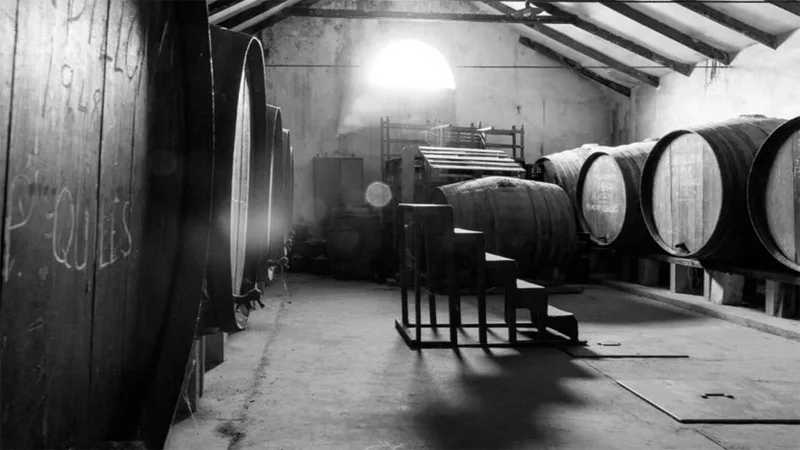
Primitivo Quiles
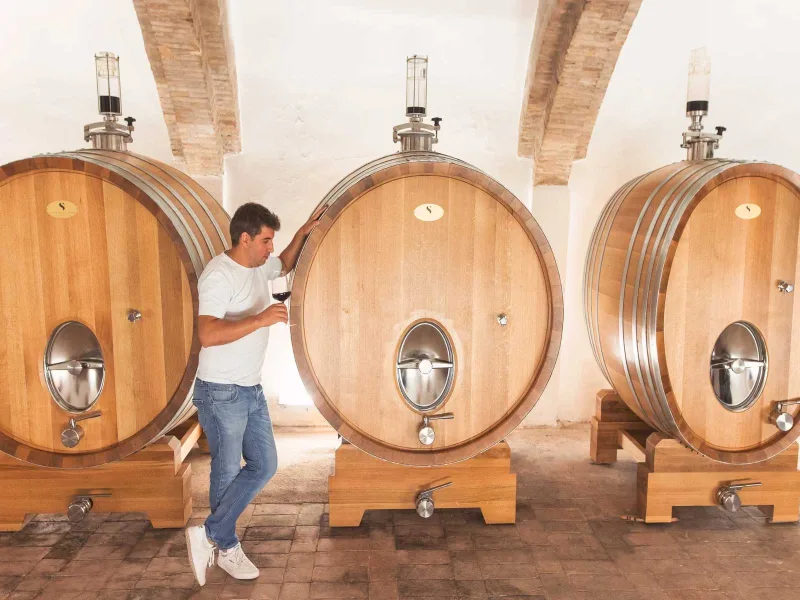
Bodegas y Viñedos El sequé
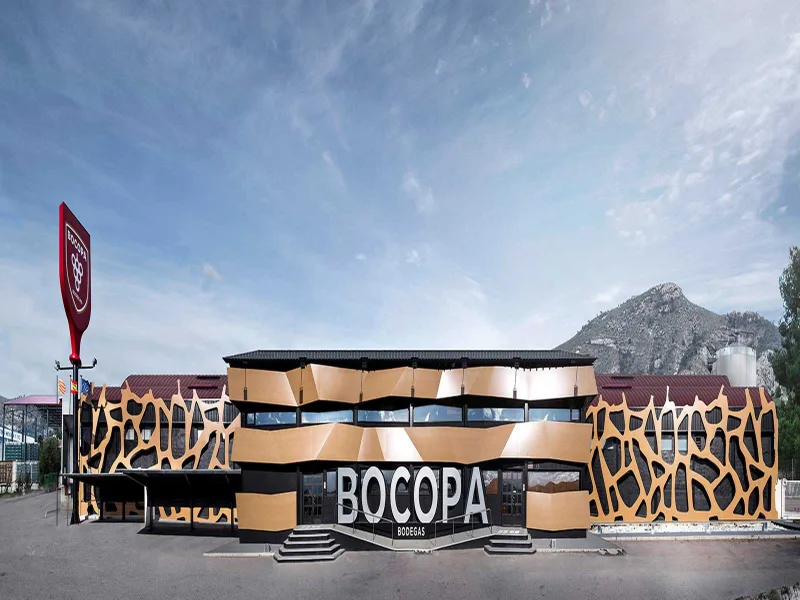
Bocopa
Open for visits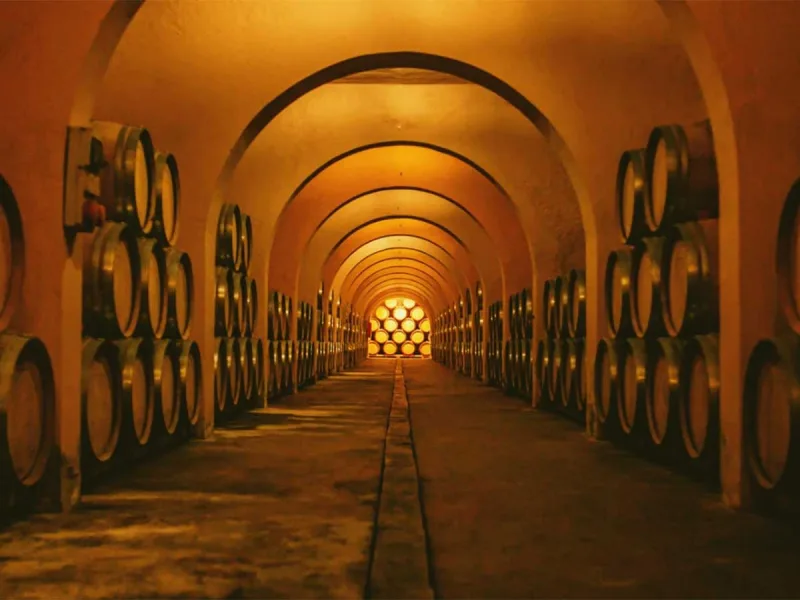
Bodega las Virtudes
Open for visits
Bodegas Monóvar
Open for visits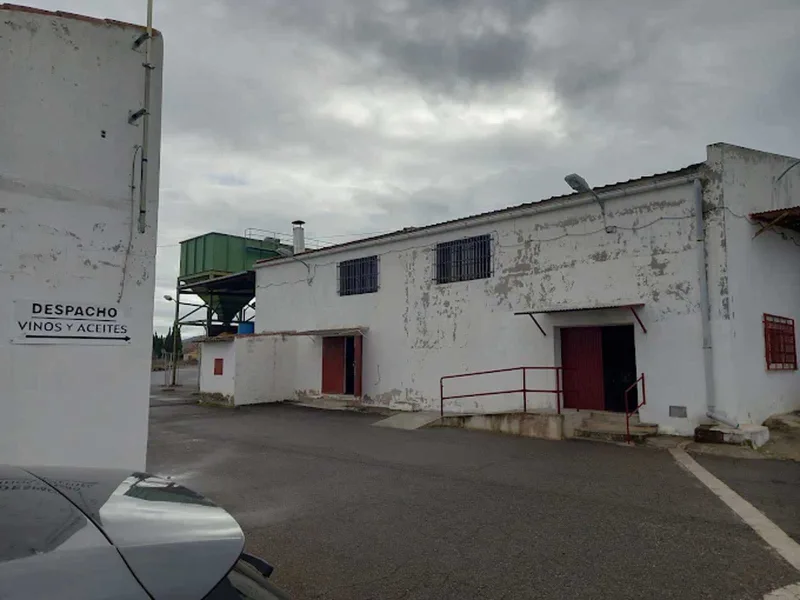
Brotons
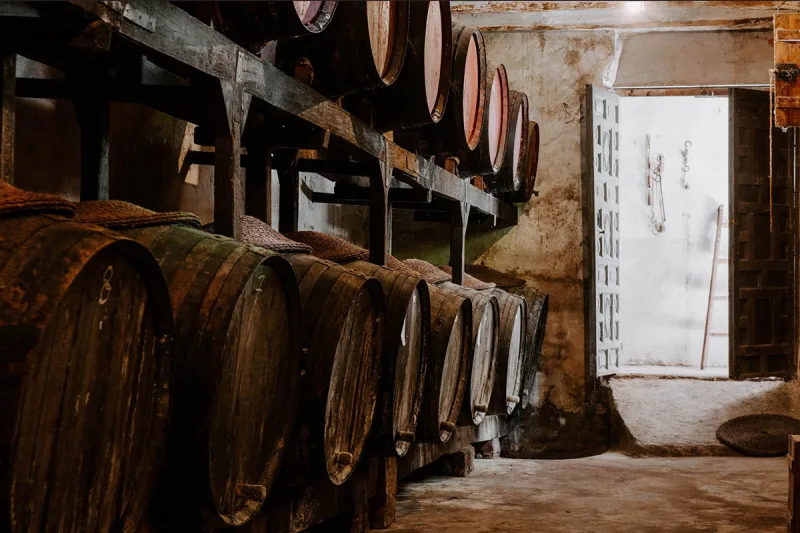
Colec. Toneles Centenarios
Open for visits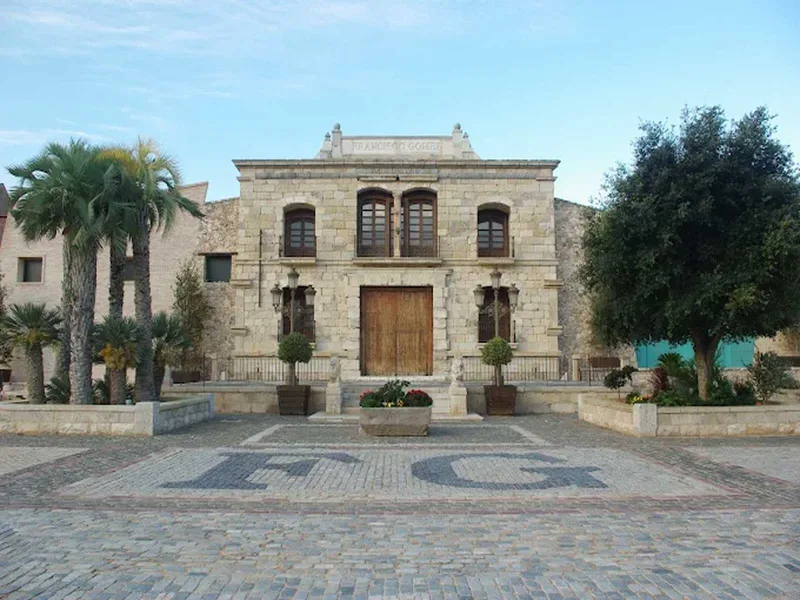
Francisco Gómez
Fondillones in the guide
Laudum Fondillón Gran Solera 1994
Bocopa
Fondillón
Primitivo Quiles
Fondillon 1970
Brotons
Fondillón 1964
Brotons
Fondillón Luis XIV 25 años
Colec. Toneles Centenarios
Fondillón Luis XIV 50 años
Colec. Toneles Centenarios
Fondillón s. 1948
Primitivo Quiles
EL SEQUE Dulce 2019
Bodegas y Viñedos El sequé
FONDILLÓN
Bodega las Virtudes
Fondillón 1996 “Estés donde estés”
Bodegas Monóvar
Fondillón 50 años
Bodegas Monóvar
Fondillón Azorín 50 Aniversario
Bodegas Monóvar
Fondillón Siglo XXI
Bodegas Monóvar
PAGO FRANCISCO GÓMEZ FONDILLÓN SOLERA 1988
Francisco Gómez
QUO VADIS FONDILLÓN SOLERA 1972
Francisco Gómez
Frequently asked questions
Is Fondillón sweet or dry? +
Traditionally it is a dry or slightly sweet (off-dry) wine. It is not a sugary dessert wine like some fortified wines: its sweet sensation comes from the natural sugar of the overripe grape, balanced by the rancio character of the ageing.
Why is it so expensive and exclusive? +
Because it demands overripe grapes (with lower yields), an ageing of many years that ties up the wine for a whole generation, and it is made only in Alicante. Each bottle is the fruit of decades of work and of soleras that are sometimes more than a century old.
How is it different from Sherry or Port? +
Fondillón is not fortified: all its alcohol comes from the grape's natural sugar, not from added spirit. It shares the solera ageing system with them, but its origin and method make it unique.
Where is it made? +
Only in the province of Alicante, within DOP Alicante, with its historic heart in the Vinalopó valley (Monóvar, Pinoso, Villena, Novelda). It is a recognised and protected historic designation.
How long does an open bottle last? +
As an oxidatively aged wine, it lasts far longer once opened than an ordinary red: weeks or even months if well sealed, evolving gently. It is a wine made to be enjoyed without haste.